Yes, I did my homework.Advanced business cases
AKA WHERE I DISCOVERED CREATIVE STRATEGY
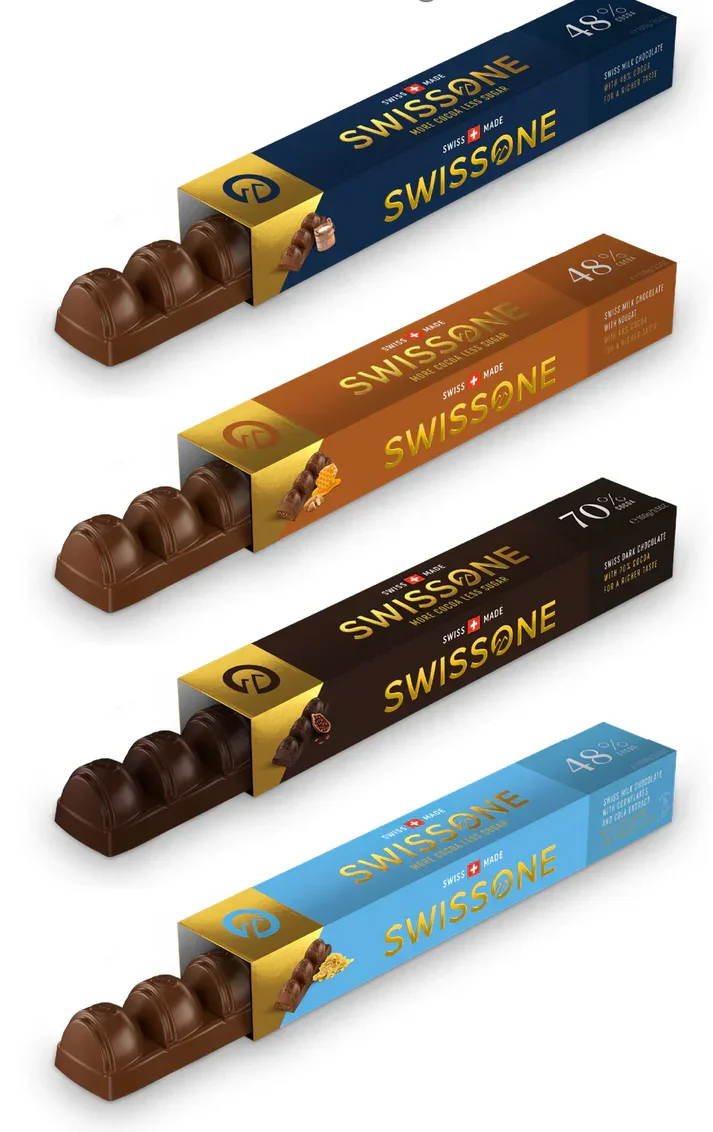
SwissOne v. Toblerone
Everyone in class targeted the same consumer. I found a different one.
While most teams focused on SwissOne's artisanal chocolate consumer, I pushed for the gifting consumer — a segment the class had largely overlooked. SwissOne's premium packaging, Swiss heritage, and sustainability story aren't just reasons to buy chocolate. They're reasons to give it. The analysis covered PEST, SWOT, Porter's Five Forces, consumer segmentation, and competitive strategy — with a final recommendation to prioritize giftability and international retail expansion.
Paramount × Warner Bros. Discovery Merger
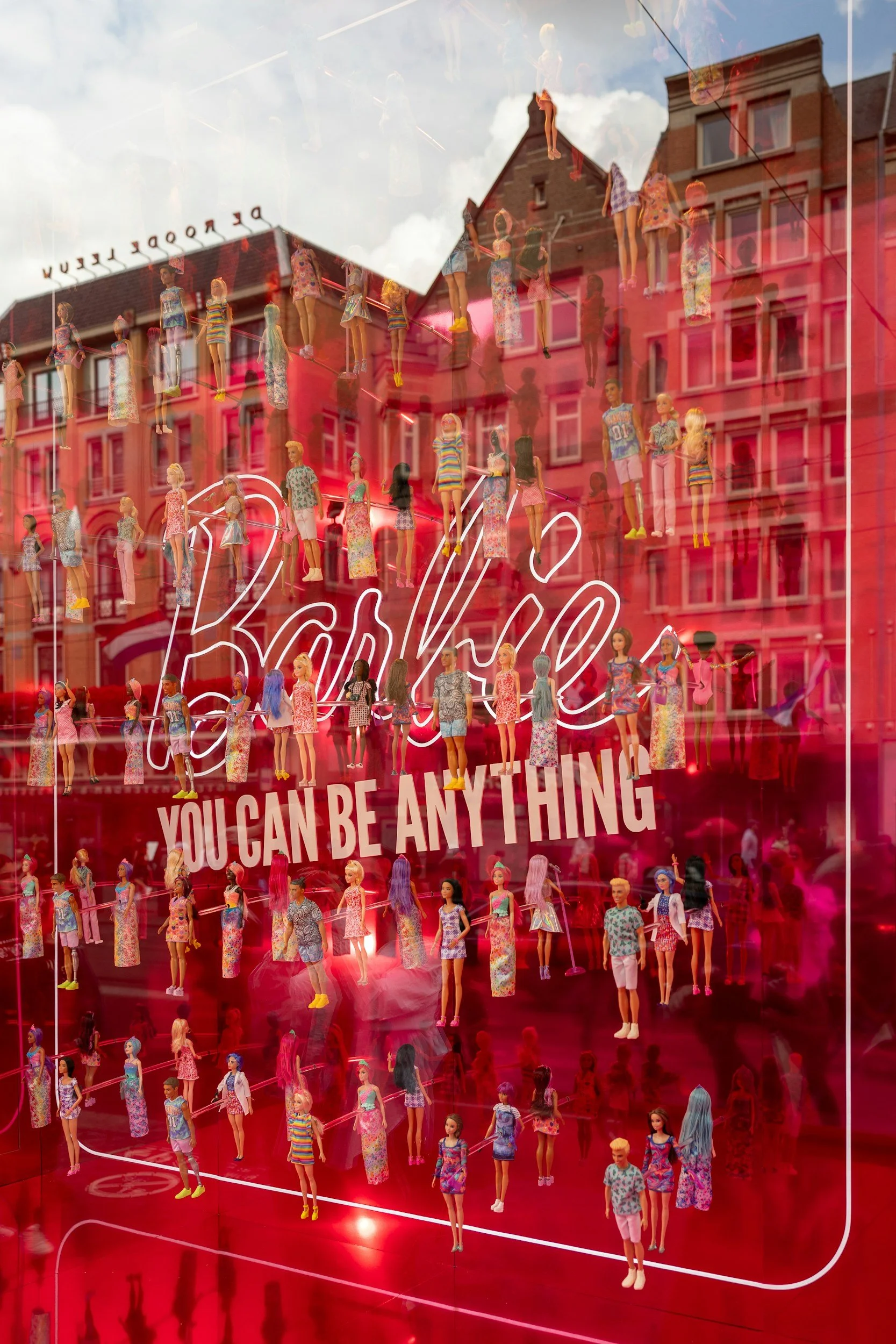
The brief was to analyze a merger. I showed up the way I think — through the lens of what people are actually thinking about.
Leading with Barbie wasn't a gimmick. It was the argument: Warner Bros. Discovery's real asset isn't its balance sheet, it's its cultural IP. The judges responded to it. Our analysis covered agency issues, merger risks, synergy assumptions, a full DCF valuation with bull/bear/base cases, and a perceptual map positioning the merged entity against Netflix, Disney, and Amazon. The thesis: in media, you acquire, or you expire — and this deal, done right, gives the combined company the content catalog and platform scale to outpace competitors.
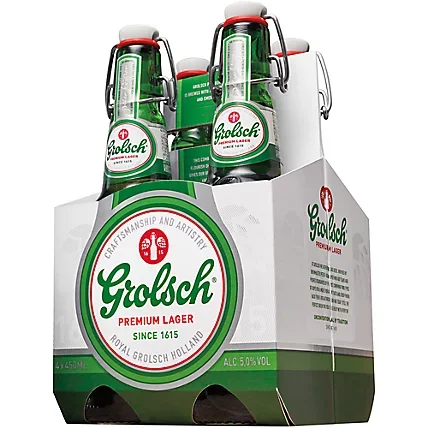
Grolsch: Growing Globally
The question wasn't whether Grolsch made good beer. It was whether a Dutch premium lager brewed since 1615 could make consumers care.
We analyzed Grolsch's global expansion strategy across markets in Europe, North America, and Asia-Pacific — using MABA, CAGE, Porter's Five Forces, and a full 4P's audit. The tension at the center of the case was a classic brand problem: how do you stay premium everywhere when premium means something different in every market? In the UK, Grolsch commanded a price premium. In the US and Canada, it was discounted to compete with other European imports. The swing-top bottle did the storytelling that pricing couldn't — it was the one consistent signal of quality across every market.
The insight I kept coming back to: Grolsch's country-of-origin story was the product. "Beer from Northern Europe" wasn't just a tagline — it was the reason someone in France or Russia paid more for it. The brand's job was to protect that story while the business figured out where to go next.